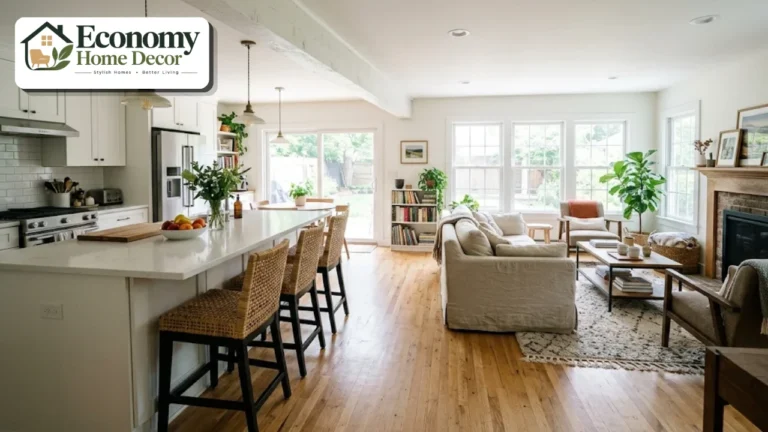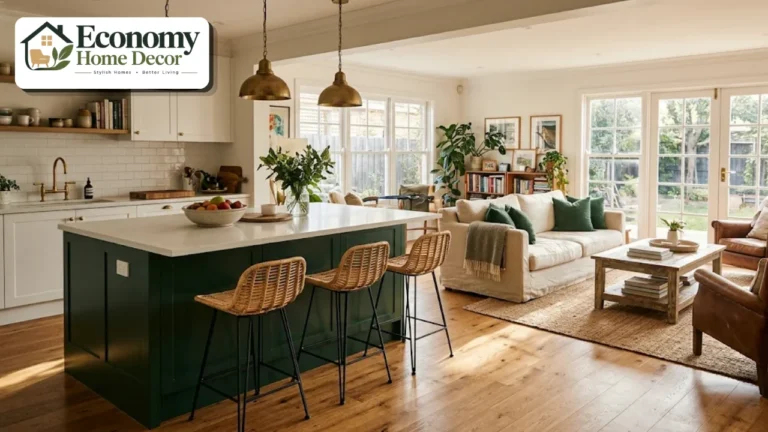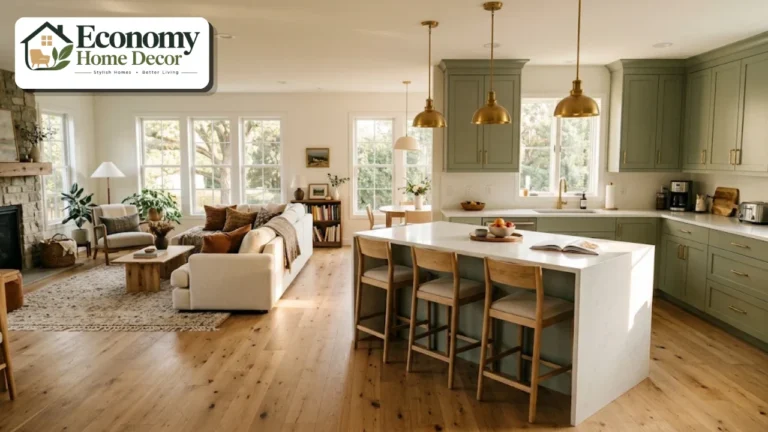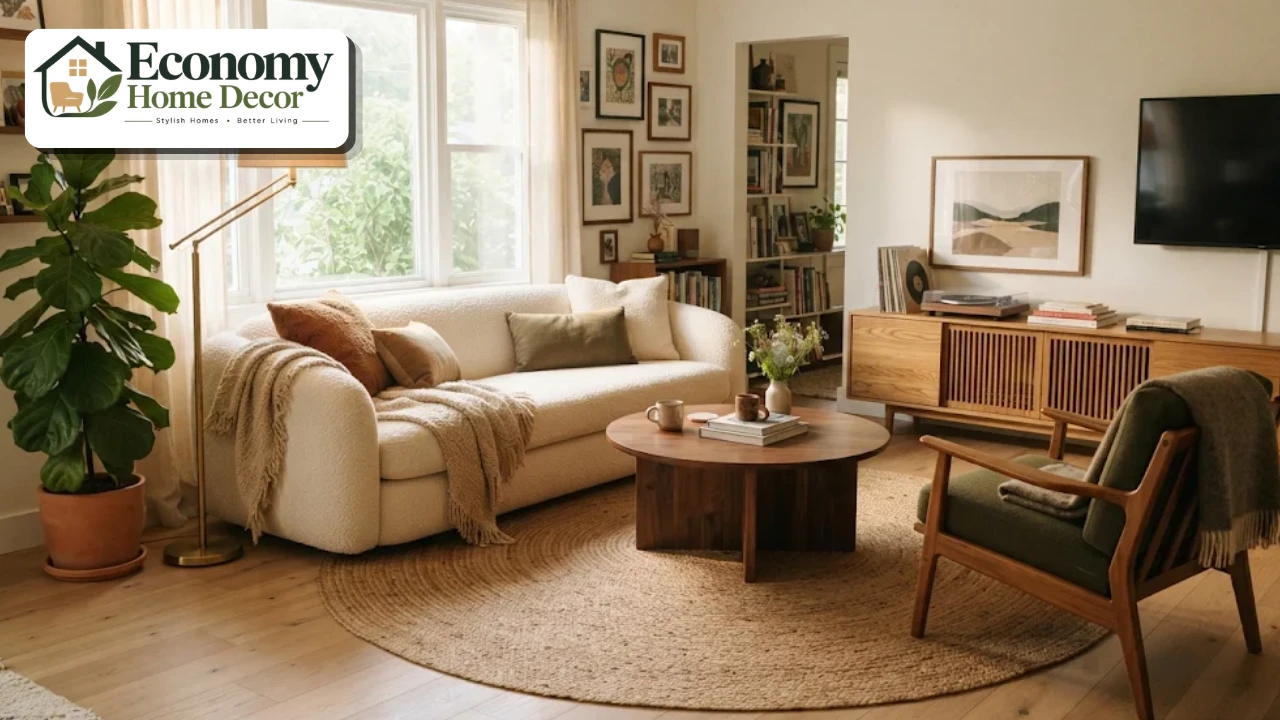
Few materials make a living room feel as warm and welcoming as wood. A solid oak coffee table, a walnut media console, or a pair of teak-framed armchairs can bring character, texture,e and a sense of permanence that metal, glass,ss and plastic rarely match. Wood also ages beautifully, gaining patina and personality over the years.
Choosing the right pieces, though, takes more thought than picking a color. Good wood furniture design living room choices depend on the type of wood, how the piece is built, the finish, the scale of the room, and how each piece works with the rest of your decor.
This guide covers why wood works so well in living rooms, the most popular wood species, finishes and construction quality, design ideas for every major piece of furniture, how to mix wood tones, styles, layout tips, care and maintenance, real-world examples, budget tips, and mistakes to avoid.
Why Choose Wood Furniture for the Living Room?
Wood furniture has stayed popular for centuries for good reason.
Warmth. Natural grain and color make a room feel inviting.
Durability. Well-made solid wood furniture can last for generations.
Repairability. Scratches and dents can often be sanded, filled, or refinished.
Versatility. Wood suits almost every style, from rustic farmhouse to sleek modern.
Texture. Grain patterns add visual interest without busy decoration.
Connection to nature. Natural materials help create a calm, grounded space. In Fixr’s 2026 design trend survey, 42% of designers named biophilic design as a rising trend.
Wood is also one of the easiest materials to live with. A good wood furniture design living room plan doesn’t need to be expensive or perfectly coordinated.
Many of the most inviting rooms combine a few new pieces with a vintage find or two, a family heirloom, and something handmade. Together, they tell a story that a single matching set rarely can, and they keep the room feeling personal as your tastes change.
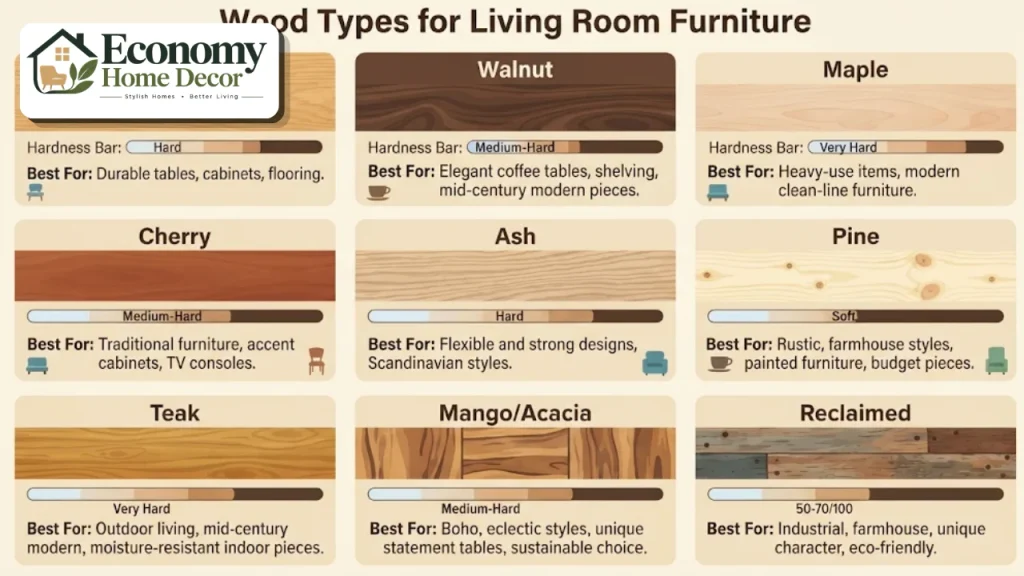
Popular Wood Types for Living Room Furniture
Each species has its own color, grain,n and strength. These are the most common choices in American homes.
| Wood | Color | Grain | Hardness | Best for |
|---|---|---|---|---|
| Oak (red and white) | Light tan to warm honey | Strong, open grain | Hard | Coffee tables, bookcases, everyday pieces |
| Walnut | Rich chocolate brown | Smooth, flowing | Medium-hard | Mid-century consoles, statement pieces |
| Maple | Pale cream | Fine, subtle | Very hard | Scandinavian and modern designs |
| Cherry | Reddish brown that deepens with age | Fine, smooth | Medium | Traditional and transitional rooms |
| Ash | Light blond | Bold, straight | Hard | Modern and Scandinavian pieces |
| Pine | Pale yellow with knots | Knotty, rustic | Soft | Farmhouse and budget-friendly furniture |
| Teak | Golden brown | Straight, oily | Hard | Mid-century and coastal designs |
| Mango and acacia | Varied warm tones | Lively, varied | Medium-hard | Affordable bohemian and rustic pieces |
| Reclaimed wood | Weathered, mixed | Varied, with character | Varies | Rustic, industrial and farmhouse looks |
Hardwoods like oak, maple,e and walnut resist dents better, which matters for coffee tables and side tables that see daily use. Softer woods like pine develop dings and character more quickly, which can suit a relaxed, rustic look.
Solid Wood, Veneer and Engineered Wood
Understanding how furniture is made helps you choose pieces that last.
Solid wood
Made entirely from boards of natural wood. It’s strong, repairable, and long-lasting, but it can expand and contract with humidity and usually costs more.
Wood veneer
A thin layer of real wood glued over a stable core, such as plywood or MDF. High-quality veneer is stable, resists warping,g and lets makers use beautiful grain patterns affordably. Many fine mid-century pieces use veneer.
Engineered wood
Particleboard or MDF covered in laminate or a printed finish. It’s the most affordable option but is less durable, harder to repair, and can sag or swell if it gets wet.
A mix is common. A solid wood frame with veneer panels can offer the best of both worlds.
How to Spot Quality Wood Furniture
Look for these signs before you buy.
Joinery. Dovetail, mortise-and-tenon,n and dowel joints are stronger than staples or glue alone.
Weight. Solid hardwood pieces feel heavy and sturdy.
Drawers. Quality drawers glide smoothly, have dovetailed corners, and sit on solid runners.
Backs and undersides. Well-made furniture has finished backs and solid bottoms, not thin cardboard.
Even finish. The finish should be smooth, with no drips, rough patches,s or cloudy areas.
Stability. The piece shouldn’t wobble when you press on a corner.
Choosing a Wood Finish
The finish protects the wood and changes its look.
| Finish | Look | Durability | Notes |
|---|---|---|---|
| Oil (tung, Danish) | Natural, matte | Moderate | Easy to touch up, needs reapplying |
| Wax | Soft sheen | Low to moderate | Lovely on antiques, needs regular care |
| Lacquer | Smooth, can be glossy | High | Common on factory furniture |
| Polyurethane | Satin to glossy | Very high | Great for coffee tables and busy homes |
| Stain | Changes color | Depends on topcoat | Can mimic other species |
| Painted | Solid color | High | Hides grain; suits farmhouse and traditional styles |
For living rooms with kids, pets,ts or frequent entertaining, a durable satin polyurethane or lacquer is a practical choice.
Wood Furniture Design Ideas by Piece
Coffee tables
The coffee table is often the living room’s centerpiece.
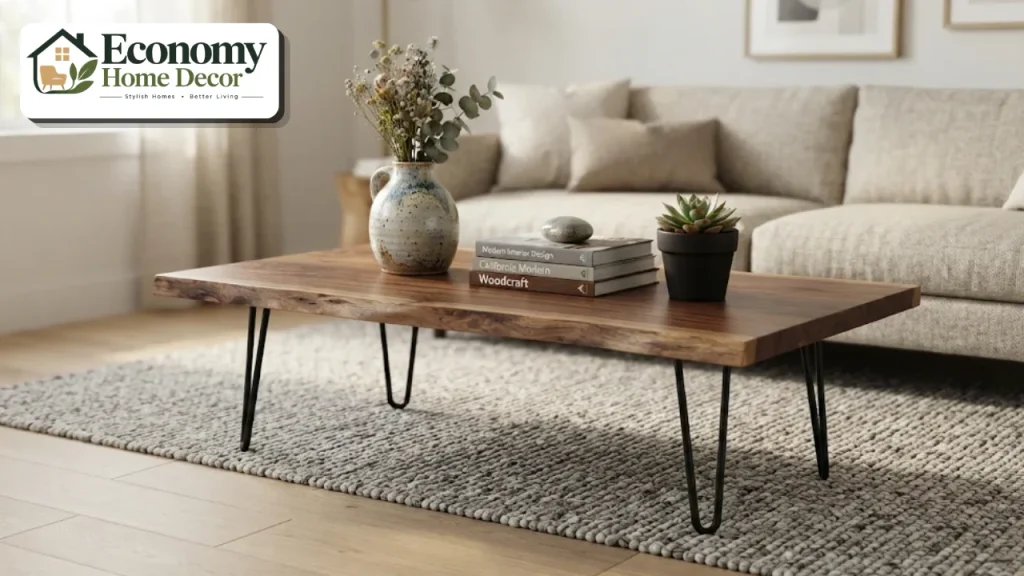
A live-edge slab table shows off natural wood and works in rustic, modern, and organic rooms.
A round oak or walnut table softens a room full of straight lines and is easier to walk around.
A coffee table with a lower shelf or drawers adds storage for remotes, books, and magazines.
A pair of nesting tables gives flexibility in smaller rooms.
Aim for a table about two-thirds the length of your sofa, placed about 14 to 18 inches from the seat.
Media consoles and TV stands
Slatted or cane-front doors hide equipment while letting remote signals pass through.
Floating wood consoles look light and make cleaning easier.
Mid-century walnut credenzas on tapered legs add timeless style.
Built-in wood media walls combine storage, display shelves, and a place for the TV.
Bookcases and shelving
Open oak or ash bookcases keep a room airy.
Built-in wood shelving around a fireplace or window creates a custom look.
Ladder shelves add character without heavy bulk.
Floating wood shelves display art and plants.
Side tables
Solid wood drum or pedestal tables add sculptural interest.
C-shaped tables slide over the sofa arm, handy in small spaces.
Side tables with a drawer hide chargers and coasters.
Seating with wood frames
Exposed-frame armchairs in teak, oak or walnut feel light and architectural.
Wood-legged sofas keep a large piece from looking heavy.
Benches work as extra seating, coffee tables or display surfaces.
Rocking chairs add a relaxed, cottage-style touch.
Accent pieces
Wood consoles behind the sofa define the living zone in an open-plan home.
Sideboards and cabinets store games, linens,s and serving pieces.
Wood stools and ottomans add flexible seating.
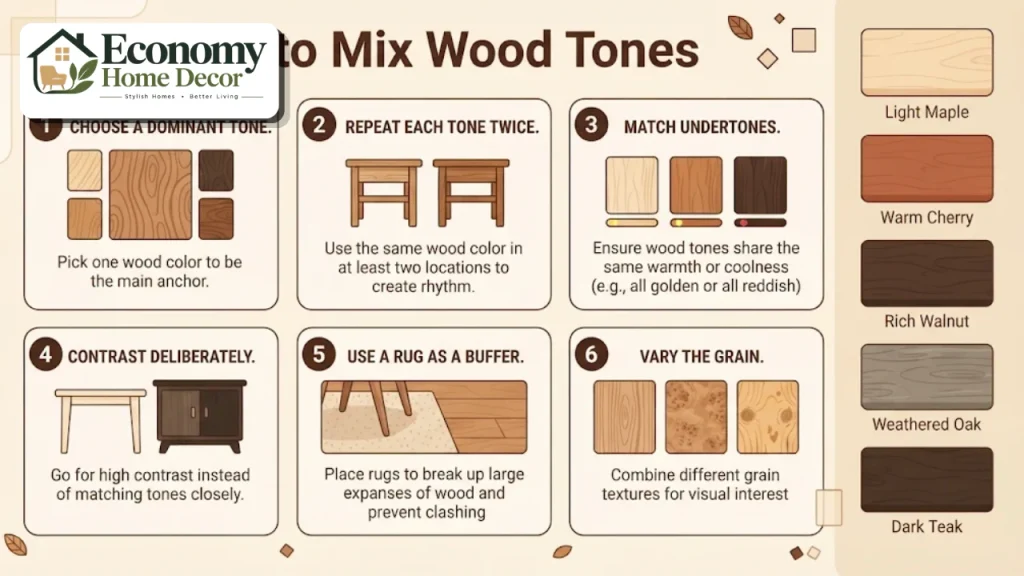
How to Mix Wood Tones
Matching every piece of wood can look flat. Mixing tones adds depth, as long as you follow a few simple rules.
Choose a dominant tone. Let one wood, often the floor or the largest piece, lead the room.
Repeat each tone at least twice. If you add a walnut side table, echo walnut in a picture frame or a bowl.
Match the undertones. Warm woods with orange or red undertones work together, as do cool woods with gray undertones.
Contrast deliberately. Pair light and dark woods for a clear, intentional contrast rather than tones that are almost the same.
Use a rug as a buffer. A rug between a wood floor and a wood coffee table keeps the two from clashing.
Vary the grain. Combine a bold-grained oak with a smooth maple or walnut for interest.
Balancing Wood With Other Materials
Too much wood can feel heavy. Balance it with contrasting textures.
Upholstery in linen, bouclé, velvet, or leather softens hard surfaces.
Metal accents in brass, black iron, or brushed nickel add sparkle and definition.
Stone and marble pair beautifully with walnut and oak.
Glass keeps a room feeling light.
Woven materials, such as rattan, cane,e and jute, add texture in the same natural family.
Plants bring color and life.
Wood Furniture Styles for the Living Room
Mid-century modern
Walnut and teak furniture with tapered legs, clean lines and subtle curves. Think low credenzas, molded armchairs and oval coffee tables. Our modern home decor ideas show how to bring this look home.
Scandinavian
Light oak, ash and birch in simple, functional shapes, paired with white walls and soft textiles. See our Scandinavian style section.
Modern farmhouse
Reclaimed wood, painted pine and chunky oak, with black metal accents and slipcovered sofas. Explore our farmhouse decor guide.
Rustic
Live-edge slabs, rough-sawn timber, log furniture and leather create a cabin-like warmth.
Minimalist
A few well-made wood pieces with clean lines and hidden storage keep the room calm. Our minimalist interiors guide shows how.
Traditional
Cherry and mahogany with carved details, turned legs, and rich finishes bring a classic, elegant feel.
Japandi
A blend of Japanese and Scandinavian design, with low-slung oak or ash furniture, natural finishes, neutral colors, and a focus on craftsmanship.
Luxury
Book-matched walnut veneers, burl wood, brass inlays, and custom built-ins make a statement. See luxury interior design ideas.
Arranging Wood Furniture in Your Living Room
Good layout makes wood pieces shine.
Start with the largest piece, usually the sofa, and arrange other furniture around it.
Keep walkways clear, about 30 to 36 inches wide.
Balance heavy pieces. If a large wood bookcase is on one side, place a substantial piece, such as a cabinet or artwork, opposite.
Mix heights. Combine low consoles, mid-height side tables, and tall bookcases.
Leave breathing room around statement pieces like a live-edge coffee table.
Use wood to define zones in open-plan rooms, such as a console behind the sofa.
For more layout ideas, explore our living room ideas.
Wood Furniture for Small Living Rooms
Wood furniture can work beautifully in small spaces with a few adjustments.
Choose lighter woods, such as oak, maple,e or ash, which feel less heavy.
Pick pieces with legs to show more floor.
Use multifunctional furniture, like a coffee table with storage or a bench that doubles as seating.
Go for slim profiles and rounded edges.
Use wall-mounted shelves and floating consoles to save floor space.
Limit the number of wood tones to two or three.
See our small apartment ideas and small-space solutions for more tips.
Coordinating Wood Furniture With Wood Floors
Wood floors and wood furniture can look stunning together when they relate rather than compete.
Contrast the tones. Dark walnut furniture stands out on light oak floors, and light furniture glows on dark floors.
Use rugs to separate similar tones.
Repeat floor tones in smaller accents rather than large furniture.
Choose painted or upholstered pieces if the floor has a strong grain.
Colors That Pair Well With Wood Furniture
The wall color and textiles around your furniture change how the wood looks.
| Wood tone | Wall colors that flatter it | Accent colors |
|---|---|---|
| Light oak, maple, ash | Warm white, soft greige, pale sage | Black, terracotta, dusty blue |
| Mid-tone oak, teak | Cream, olive, warm beige | Rust, mustard, deep green |
| Walnut | Creamy white, warm gray, deep green | Brass, cognac leather, navy |
| Cherry, mahogany | Soft cream, muted blue, warm taupe | Gold, burgundy, forest green |
| Reclaimed and rustic | White, charcoal, earthy clay | Black iron, rust, natural linen |
Warm, earthy palettes are especially popular right now. In Fixr’s 2026 survey, 75% of designers said all-white and all-gray interiors are on their way out, which makes wood an even more natural fit.
Lighting Wood Furniture
Lighting brings out the best in wood grain and color.
Warm bulbs around 2700 to 3000K make wood glow, while cool bulbs can make it look flat or gray.
Table and floor lamps placed near wood pieces create pools of warm light that highlight the grain.
LED strips inside glass-front cabinets or under floating shelves show off wood interiors.
Natural light is the most flattering, but protect pieces from direct midday sun.
Questions to Ask Before You Buy
A little research helps you choose wood furniture design living room pieces that last.
What species is it, and is it solid wood, veneer,r or engineered wood?
How are the joints built?
What finish is used, and how should it be cleaned?
Will it fit the room with clear walkways around it?
Does the tone work with your floors and other furniture?
Is there a warranty or return policy?
Is the wood responsibly sourced?
Caring for Wood Furniture
With basic care, wood furniture can last for decades.
Dust regularly with a soft, dry, or slightly damp cloth.
Use coasters and placemats to prevent water rings and heat marks.
Keep pieces out of direct sunlight, which can fade or darken wood.
Avoid placing furniture next to radiators or vents, which can dry and crack the wood.
Maintain steady humidity, ideally around 35 to 55 percent, to reduce warping and cracking.
Clean spills right away.
Reapply oil or wax as needed for oil- and wax-finished pieces.
Fix small scratches with touch-up markers or wax sticks.
Sustainable Wood Choices
If sustainability matters to you, keep these options in mind.
FSC-certified wood comes from responsibly managed forests.
Reclaimed wood gives old timber a second life.
Vintage and antique furniture is the most sustainable choice of all.
Locally made furniture reduces shipping and supports craftspeople.
Low-VOC finishes improve indoor air quality.
Three Real-World Examples
These everyday situations show how wood furniture design ideas come together in real homes.
A mid-century apartment
A city apartment features a walnut credenza on tapered legs, an oval walnut coffee table, and a teak-framed armchair. A cream bouclé sofa, a brass floor lamp, and a jute rug balance the warm wood, and light oak floors keep the room bright.
A family farmhouse living room
A reclaimed-wood coffee table with a lower shelf holds board games, while a painted pine bookcase and an oak bench add storage and seating. A slipcovered linen sofa and black iron lamps complete the look. Durable polyurethane finishes stand up to kids and pets.
A calm Japandi space
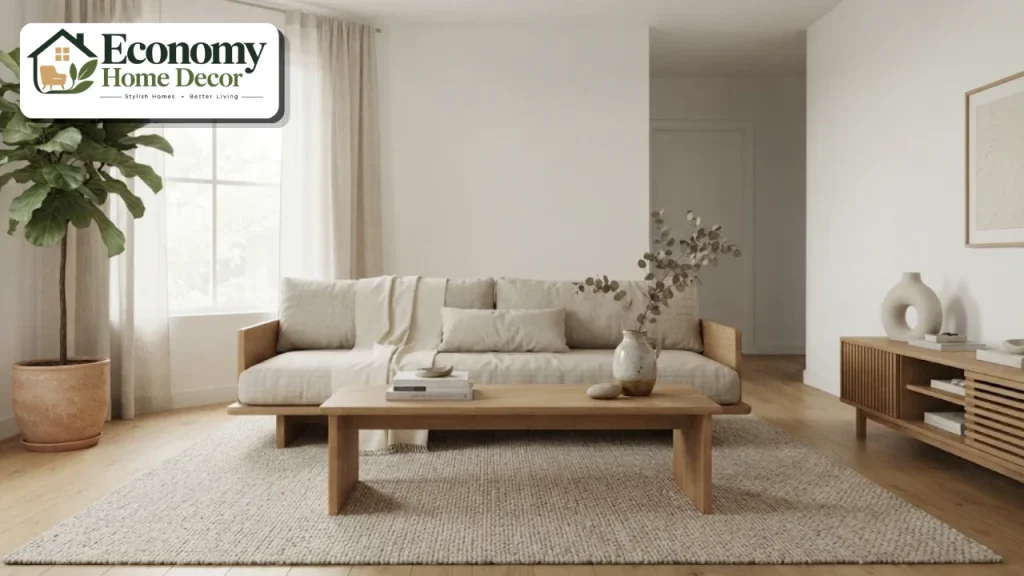
Low oak furniture, including a slatted media console, a simple coffee table and a wood-framed sofa, sits on a neutral wool rug. Linen cushions, ceramic vases and a single large plant keep the room peaceful and uncluttered.
Wood Furniture on a Budget
| Piece | Budget version | Bigger investment |
|---|---|---|
| Coffee table | Secondhand solid wood table | Live-edge or custom walnut table |
| Media console | Veneer console | Solid wood or built-in media wall |
| Bookcase | Pine or veneer bookcase | Built-in oak shelving |
| Side tables | Thrifted tables, refinished | New solid hardwood pieces |
| Seating | Wood-legged sofa | Exposed-frame teak or oak chairs |
| Finish | DIY refinish or paint | Professional restoration |
Thrift stores, estate sales, and online marketplaces are great places to find solid wood furniture that can be refreshed with sanding and new finish. For more ideas, see our guide to budget-friendly decorating.
Common Mistakes to Avoid
Too much matching wood. A room full of identical tones can look flat.
Ignoring undertones. Warm and cool woods can clash.
Oversized pieces. A huge cabinet can overwhelm a small room.
Poor quality construction. Wobbly joints and thin backs won’t last.
Placing wood in direct sun or near heat. It can fade, dry out,t and crack.
No soft materials. Without textiles, wood-heavy rooms feel cold.
Skipping coasters. Water rings are easy to prevent and hard to remove.
FAQs:
What is the best wood for living room furniture?
Oak, walnut,t and maple are popular because they’re strong and attractive. Oak is durable and versatile, walnut is rich and elegant, and maple is pale and very hard.
Is solid wood better than veneer?
Not always. Solid wood is repairable and long-lasting, while high-quality veneer is stable and resists warping. Both are better than low-cost particleboard.
Can I mix different wood tones in one living room?
Yes. Choose a dominant tone, repeat each wood at least twice, match undertones,es and use rugs to separate similar tones.
What wood furniture works in a small living room?
Light woods, pieces with legs, slim profiles, and multifunctional furniture like storage coffee tables help small rooms feel spacious.
How do I protect wood furniture from scratches?
Use coasters, felt pads under objects, a durable finish like polyurethane,e and soft cloths for cleaning.
What finish is best for a wood coffee table?
A satin or matte polyurethane or lacquer is durable and resists water and heat better than oil or wax.
How do I match wood furniture to wood floors?
Contrast the tones rather than trying to match them exactly, and use a rug to separate furniture from the floor.
Is reclaimed wood furniture durable?
Yes, when it’s properly cleaned, dried, and finished. Reclaimed wood is often very old, dense timber with lots of character.
How long does solid wood furniture last?
With good care, well-made solid wood furniture can last for decades and often for generations.
What colors go with wood furniture?
Warm whites, creams, sage green, navy, terracotta, and deep green all pair beautifully with wood.