A beautiful home isn’t about how much you spend. It’s about the choices you make: where you put the sofa, which color you paint the walls, what you keep and what you let go. Get those decisions right and even a modest home can feel calm, warm and full of personality.
That idea sits at the heart of EconomyHomeDecor. We’re a home decor magazine built for everyday homes and everyday budgets, sharing practical ideas that real people can use, whether they own a family house, rent a city apartment, or are decorating their very first place.
This guide is your starting point. It explains what EconomyHomeDecor offers, how our guides can help you plan any room, our favorite money-saving decorating tips, and a simple step-by-step method you can use for your next project.
About EconomyHomeDecor
EconomyHomeDecor publishes home decor and interior design content at economyhomedecor.net. Our readers are mostly homeowners and renters in the United States who want stylish homes without overspending.
We focus on four things:
- Practical design. Layouts, measurements, and storage that make rooms work.
- Smart spending. Where to invest, where to save,e and how to get the look for less.
- Lasting style. Ideas that will still feel right in five or ten years.
- Clear, honest advice. Pros, cons,ns and common mistakes, explained in plain English.
The word “economy” in our name doesn’t mean cheap. It means value: getting the most comfort, beauty,uty and function from every dollar and every square foot.
What Makes Our Guides Different
There’s no shortage of home decor inspiration online. What’s often missing is the practical detail that turns a pretty picture into a room that works. That’s where our guides aim to help.
Real measurements
We include the numbers you need, such as walkway widths, clearances around toilets and vanities, kitchen aisle sizes,izes and how far a sofa should sit from a coffee table. Many of these follow widely used National Kitchen & Bath Association recommendations.
Budget and splurge options
Most of our articles include a simple table comparing a budget version with a bigger investment, so you can choose what fits your plans.
Mistakes to avoid
Every guide ends with common mistakes, because knowing what not to do can save you time and money.
Experienced writers
Our writers include Jessica James, who brings more than 20 years of home improvement experience and a background in civil engineering. That mix of hands-on knowledge and technical understanding keeps our advice grounded in how homes are really built and used.
Honest about the limits
Where a project involves structural, electrical, or plumbing work, we recommend checking local building codes and hiring a licensed professional.
Start Here: Our Most Popular Guides
New to the site? These guides are a great place to begin.
For bathrooms
- 15 bathroom design ideas that actually work cover layout, storage, lighting, and finishes.
- Bathroom design floor ideas explain tile, vinyl, and stone options, including slip resistance.
- Modern bathroom styles compare 12 modern looks.
- The nicest bathroom ideas focus on comfort and small luxuries.
- Cecil’s bathroom design tips show how to use pattern and color with confidence.
For style inspiration
For smaller homes and budgets
Room-by-Room Decorating Basics
Every room has its own needs. Here’s a quick look at the key principles we cover for each one.
Bathrooms
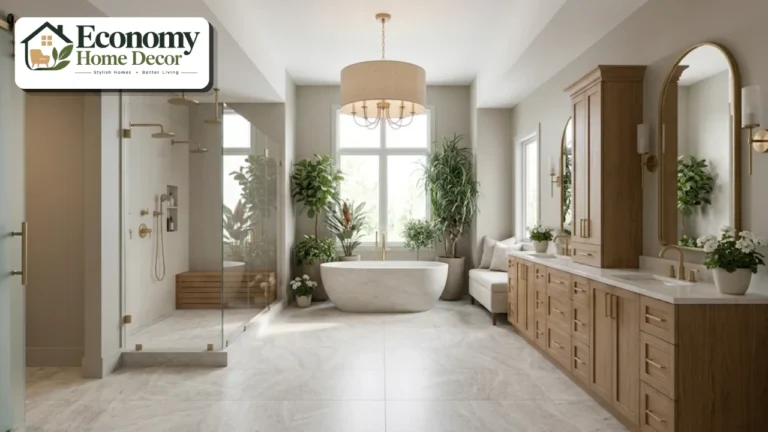
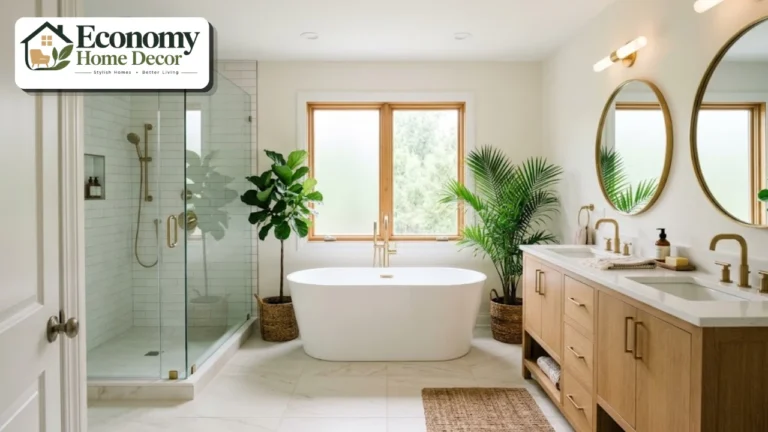
Bathrooms are small, busy, and used every day, so function comes first. Plan about 30 inches of clear space in front of the toilet and vanity, choose slip-resistant flooring, and install a properly sized exhaust fan. A common rule of thumb is about 1 CFM per square foot for bathrooms under 100 square feet.
For style, warm colors are back. In Fixr’s 2026 trend survey, 75% of designers said all-white and all-gray bathrooms are on their way out. Explore more in our bathroom ideas section.
Kitchens
A good kitchen keeps the sink, stove, and fridge within easy reach, with plenty of prep space between them. Aim for work aisles of about 42 inches for one cook and 48 inches for two.
Store items where you use them, choose deep drawers for pots and pans, and vent your range hood outside. Find more in our kitchen ideas section.
Living rooms
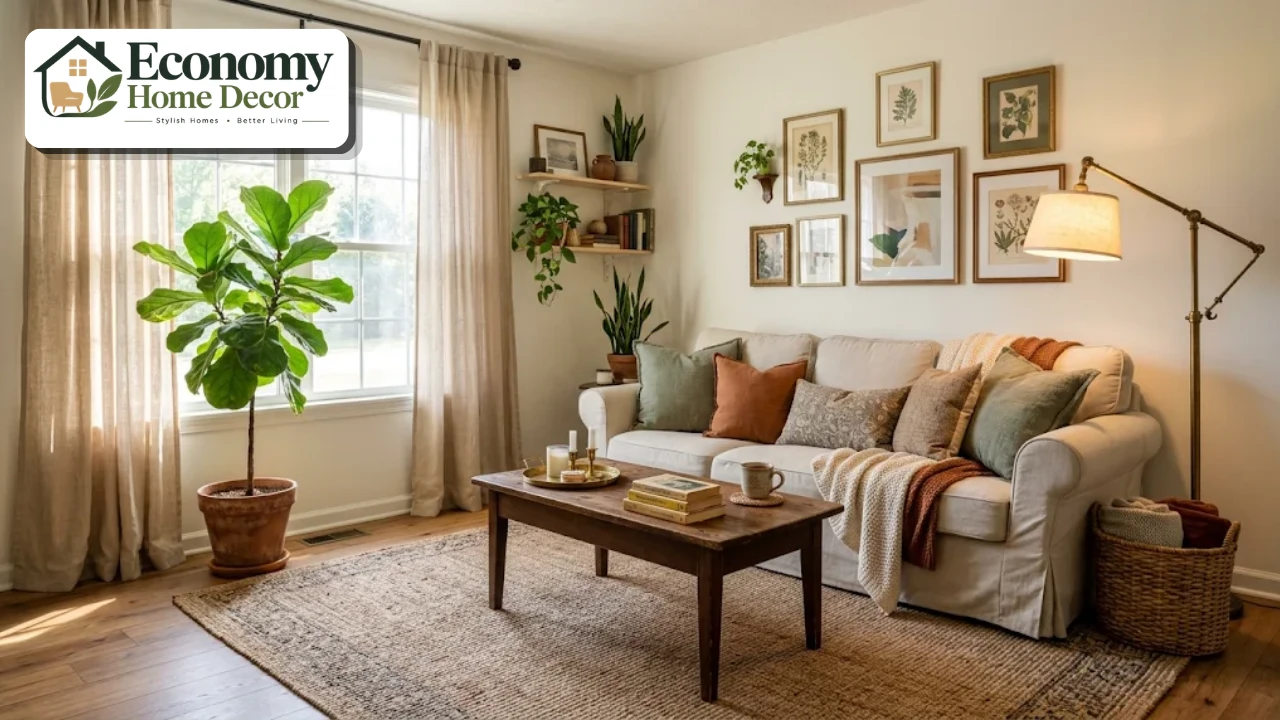
Arrange seating around a focal point, such as a fireplace, window,w or TV. Leave about 14 to 18 inches between the sofa and coffee table and 30 to 36 inches for walkways.
Layer lighting with ceiling lights, floor lamps, and table lamps. See our living room ideas for layouts and styling tips.
Dining rooms
Allow about 24 inches of table width per person and around 36 inches behind each chair so people can sit and stand comfortably. Hang a pendant or chandelier about 30 to 36 inches above the tabletop. Our dining room section has more ideas.
Small spaces
Choose furniture with legs, use vertical storage, keep colors light and warm, and add mirrors to bounce light. Multi-functional pieces, like storage ottomans and extendable tables, make every inch count.
25 Tips for Decorating on a Budget
These are some of the most useful money-saving ideas that run through our guides.
Walls and color
Paint first. A fresh coat of paint is the cheapest way to transform any room.
Try an accent wall. Paint, removable wallpaper, or a DIY slat wall adds impact for little cost.
Paint cabinets and vanities. A new color and fresh hardware can make old cabinetry look new.
Test before you commit. Paint large swatches and look at them in morning and evening light.
Furniture
Shop secondhand. Thrift stores, estate sales, and online marketplaces are full of solid wood furniture.
Refinish instead of replacing. Sanding, oiling,ng or painting an old piece can give it new life.
Slipcovers tired sofas. A new slipcover is far cheaper than a new sofa.
Rearrange first. Moving furniture costs nothing and can make a room feel completely new.
Choose multi-functional pieces. Storage ottomans, sleeper sofas, and extendable tables do more with less.
Lighting
Swap bulbs. Warm bulbs around 2700 to 3000K make rooms feel cozier instantly.
Add lamps. Floor and table lamps are easier and cheaper than new ceiling fixtures.
Use plug-in sconces and LED strips. No electrician needed.
Kitchens and bathrooms
Change the hardware. New pulls and knobs refresh cabinets for a small cost.
Update faucets. A new faucet makes a sink area feel modern.
Keep plumbing in place. Moving drains and pipes is one of the highest remodel costs.
Refresh grout and caulk. Clean lines make old tile look new.
Hang a better shower curtain. A ceiling-mounted rod and a longer curtain make a bathroom feel taller.
Textiles and decor
Layer rugs. A large, affordable jute rug topped with a smaller patterned rug adds warmth and style.
Swap pillow covers seasonally instead of buying new pillows.
Hang curtains high and wide to make windows and ceilings look larger.
Bring in plants. Greenery adds life and color for very little money.
Display what you love. Books, family photos, and travel finds personalize a room for free.
Planning
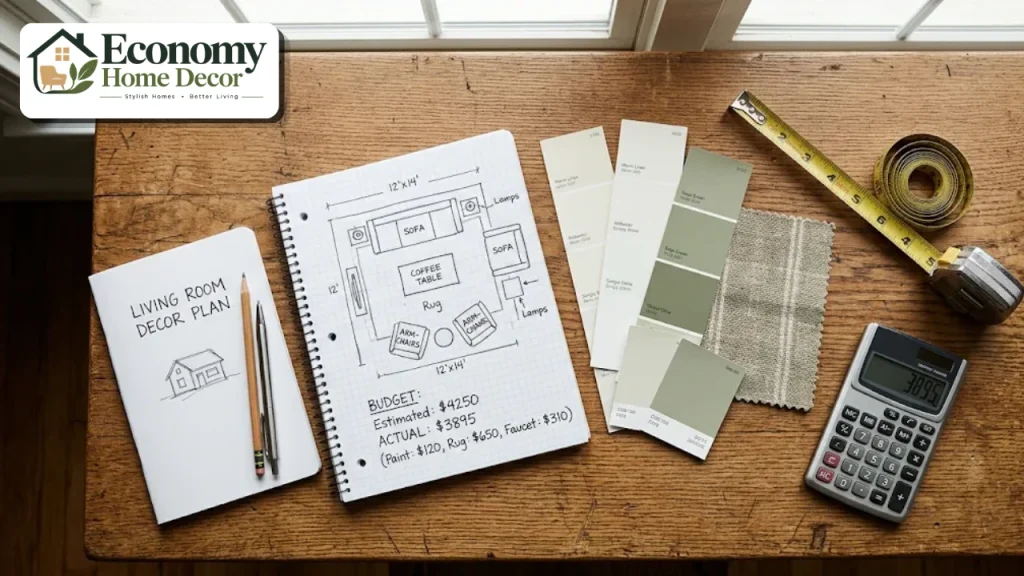
Declutter before buying. Removing things often improves a room more than adding them.
Make a plan and budget. Decide what matters most and spend there first.
Invest in what you touch. Spend more on sofas, mattresses, and faucets; save on decorative accents.
For a deeper dive, read our full guide to budget-friendly decorating.
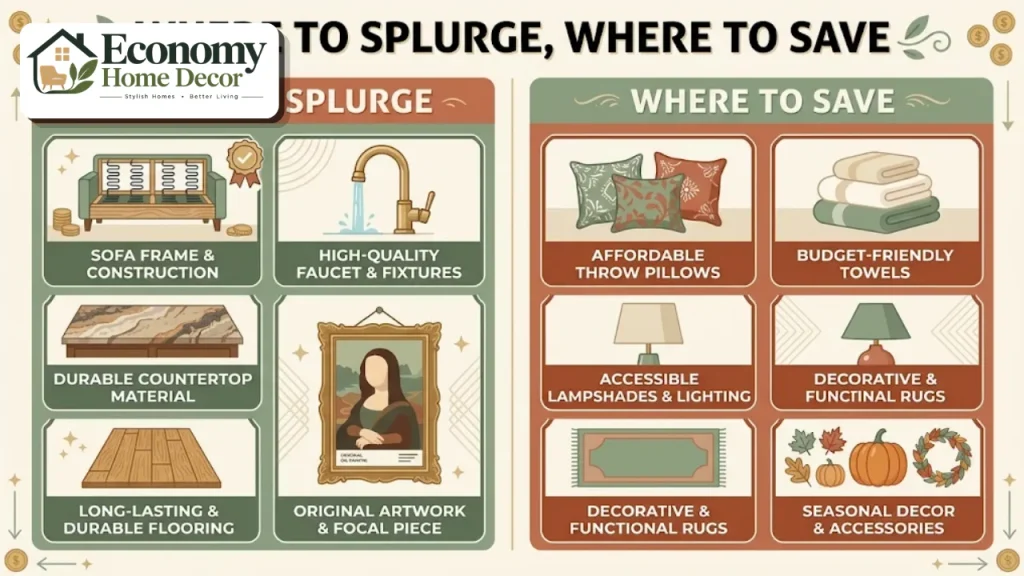
Where to Splurge and Where to Save
| Item | Worth investing | Easy to save on |
|---|---|---|
| Sofa | Quality frame and comfortable cushions | Throw pillows and blankets |
| Kitchen | Durable countertops and faucets | Decorative accessories |
| Bathroom | Waterproofing, ventilation, fixtures | Towels and bath mats |
| Lighting | Good placement and quality fixtures you use daily | Lampshades and bulbs |
| Flooring | Durable, water-resistant floors in busy areas | Rugs in low-traffic rooms |
| Decor | Original art you truly love | Seasonal decor and trend pieces |
A simple rule: spend on what you touch, sit on, and use every day, and save on the things you’ll want to change.
How to Split a Room Refresh Budget
Whatever your budget, dividing it sensibly helps you avoid spending everything on one piece and running out before the room is finished. This is a flexible starting point for a living room or bedroom refresh, not a strict rule.
| Category | Share of budget | What it covers |
|---|---|---|
| Main furniture | About 40% | Sofa, bed, or the largest piece you use daily |
| Lighting | About 15% | Lamps, bulbs, a new fixture |
| Rugs and textiles | About 20% | Rug, curtains, pillows, throws |
| Paint and walls | About 10% | Paint, supplies, removable wallpaper |
| Decor and plants | About 10% | Art, frames, plants, accessories |
| Buffer | About 5% | Delivery, hardware, surprises |
In kitchens and bathrooms, the split changes: fixtures, surfaces and labor take a much larger share, so cosmetic updates like paint, hardware and lighting often give the best value.
Decorating for Comfort and Wellbeing
A home should look good, but it should also feel good to live in. These ideas from our guides support everyday comfort.
Natural light. Keep windows clear, use light-filtering shades, and add mirrors to bounce daylight.
Plants and natural materials. Wood, stone, linen and greenery make rooms feel calm. Bringing nature indoors, often called biophilic design, is a growing trend; in Fixr’s 2026 survey, 42% of designers named it as rising in bathrooms.
Warm lighting in the evening. Dimmers and warm bulbs help you wind down.
Clutter-free surfaces. Good storage makes rooms feel more restful.
Comfortable seating. Every room benefits from at least one place to sit and relax.
Fresh air. Good ventilation in kitchens and bathrooms protects both your home and your health.
Sustainable and Long-Lasting Choices
Smart spending and sustainability often go hand in hand. Buying fewer, better pieces and keeping them longer saves money and reduces waste.
Buy secondhand and vintage furniture, lighting, and decor.
Choose solid wood and durable materials that can be repaired or refinished.
Repaint and reupholster instead of replacing.
Pick timeless foundations, such as neutral flooring and classic fixtures, and keep trends in easy-to-change accents.
Use LED bulbs, which use less energy and last much longer than older bulbs.
Donate or sell what you no longer need.
Decorating by Style
Choosing a style makes decisions easier, because each new piece has a clear direction. Here’s a quick guide to the looks we cover most often.
Modern
Clean lines, simple shapes, integrated storage, and a limited palette. Warm modern rooms add wood and texture to avoid feeling cold.
Modern farmhouse
Shaker cabinets, natural wood, matte black fixtures, linen and cozy textiles. It’s relaxed, family-friendly,y and welcoming.
Scandinavian
Light wood, white walls, simple furniture and soft textiles, with an emphasis on comfort and natural light.
Minimalist
Fewer, better things. Hidden storage, calm colors and plenty of open space.
Luxury
Rich materials like marble and brass, statement lighting and custom details, often achievable on a smaller scale with a few well-chosen pieces.
Eclectic and personal
A mix of styles, eras, and colors tied together by a consistent palette and the things you love.
Many homes blend two styles, such as modern and farmhouse, or Scandinavian and minimalist. The key is repeating a few colors and materials so the mix feels intentional.
A Seasonal Decorating Calendar

Because most of our readers live in the United States, we also share ideas tied to American seasons and holidays. A simple calendar keeps your home feeling fresh all year.
| Season | Focus | Easy ideas |
|---|---|---|
| Winter | Coziness | Thick throws, warm lighting, candles, layered rugs |
| Spring | Freshness | Decluttering, lighter textiles, fresh flowers, open windows |
| Summer | Outdoor living | Patio refresh, airy fabrics, plants, outdoor dining |
| Fall | Warmth | Earthy colors, pumpkins, wool blankets, Thanksgiving table |
Keep a neutral base in each room, then swap pillow covers, throws, and small accessories as the seasons change. Store seasonal decor in labeled bins so it lasts for years.
How to Plan Any Room: Our 10-Step Method
Whether you’re refreshing a bathroom or redesigning a living room, this simple method keeps projects organized and on budget.
Define how you use the room
List who uses the room, what they do there,e and what frustrates you now.
Measure everything
Record walls, windows, doors, outlets, and ceiling height. Measure furniture and doorways before buying anything new.
Choose a focal point
Decide what the eye should see first, such as a fireplace, a bed, a bathtub,b or a statement wall.
Plan the layout
Sketch the room on graph paper or use painter’s tape on the floor. Check walkways and clearances.
Pick a palette
Choose two or three main colors and one or two materials, such as oak and brass.
Set a budget
Decide where to invest and where to save, using the splurge-and-save table above.
Start with the big pieces
Buy or arrange the largest items first: the sofa, bed, vanity, or dining table.
Layer in lighting
Add ambient, task and accent lighting so the room works day and night.
Add textiles and decor
Live with it and adjust
Use the room for a week or two, then tweak anything that doesn’t feel right.
Three Real-World Makeover Examples
These everyday situations show how the ideas in our guides come together.
A tired rental living room
The renters can’t paint or change the floors, so they focus on what they can move. The sofa is pulled away from the wall to face the window, a large jute rug anchors the seating area, and two thrifted armchairs are angled toward a secondhand wooden coffee table.
Plug-in sconces, a floor lamp,mp and warm bulbs replace the harsh ceiling light, while linen curtains hung high and wide make the room feel taller.
The result feels completely new, and everything can move with them to their next home.
A dated family bathroom
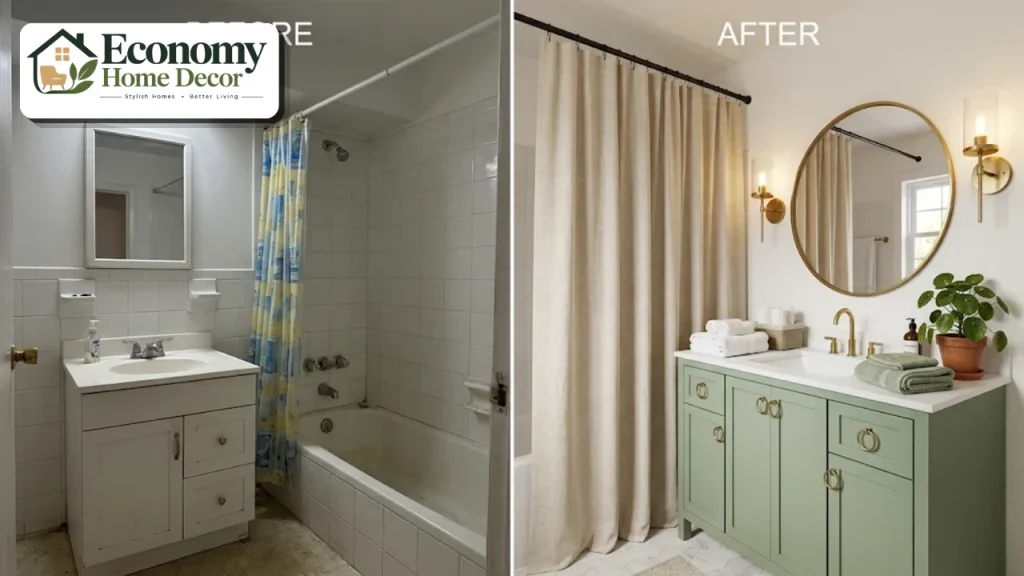
The layout works, so the plumbing stays in place. The vanity is painted sage green and fitted with brass pulls and a new faucet; the grout is refreshed and a ceiling-mounted rod with a long linen curtain makes the room feel taller.
Two wall sconces flank a new round mirror, and a humidity-sensing fan replaces the noisy old one.
For a modest budget, the bathroom looks fresh, works better, and feels warmer.
A small first-home kitchen
The cabinets are solid, so they’re painted a warm cream, with new matte black hardware. Plug-in LED strips light the counters; small appliances move into one cabinet.
To clear the work surface,d a rolling cart adds prep space. A washable runner, a bowl of lemons, and a few herbs on the windowsill finish the look.
The kitchen is easier to cook in and feels brighter, all without a remodel.
Common Decorating Mistakes
Buying before measuring. Oversized furniture is one of the most common and costly mistakes.
Choosing paint in the store. Colors look very different at home.
Relying on one overhead light. Layered lighting makes rooms feel welcoming.
Rugs that are too small. Seating should rest at least partly on the rug.
Pushing all furniture against the walls. Floating pieces often create a cozier layout.
Following every trend. Choose what you genuinely love.
Forgetting storage. Clutter undermines even the best design.
FAQs:
What is EconomyHomeDecor?
EconomyHomeDecor is a home decor and interior design magazine at economyhomedecor.net, sharing room-by-room guides, style inspiration, and budget-friendly decorating tips.
Is EconomyHomeDecor only about cheap decorating?
No. “Economy” means value. We cover quick, low-cost updates as well as larger remodels, always showing where it’s worth investing and where you can save.
Who writes for EconomyHomeDecor?
Our writers include experienced home improvement professionals such as Jessica James, who has more than 20 years of experience and a background in civil engineering.
Which rooms does EconomyHomeDecor cover?
Bathrooms, kitchens, living rooms, dining rooms, small and small spaces, plus interior design styles and budget decorating.
Are EconomyHomeDecor ideas suitable for renters?
Yes. Many ideas, such as lighting, textiles, furniture layout, removable wallpaper, and storage solutions, work well in rentals.
Where should I start on economyhomedecor.net?
Start with the room you want to change, then explore our style guides and budget decorating tips.
Do I need a designer to use these ideas?
No. Most ideas are designed for DIY planning. For larger remodels, our guides help you understand options so you can work confidently with contractors and designers.
How often does EconomyHomeDecor publish new ideas?
New articles are added regularly, so it’s worth bookmarking your favorite sections and checking back.