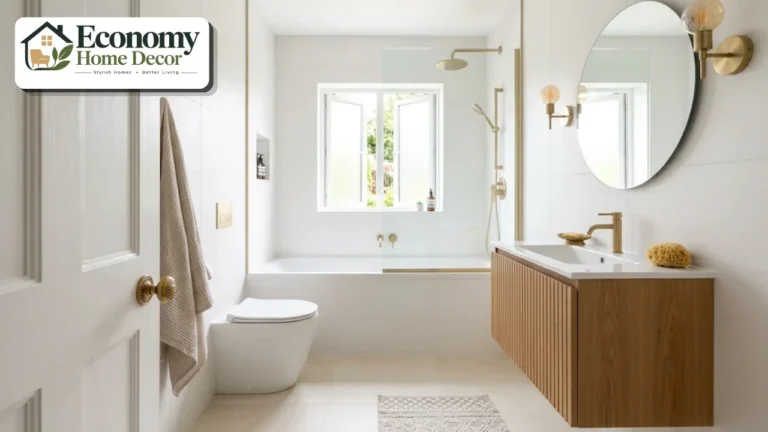
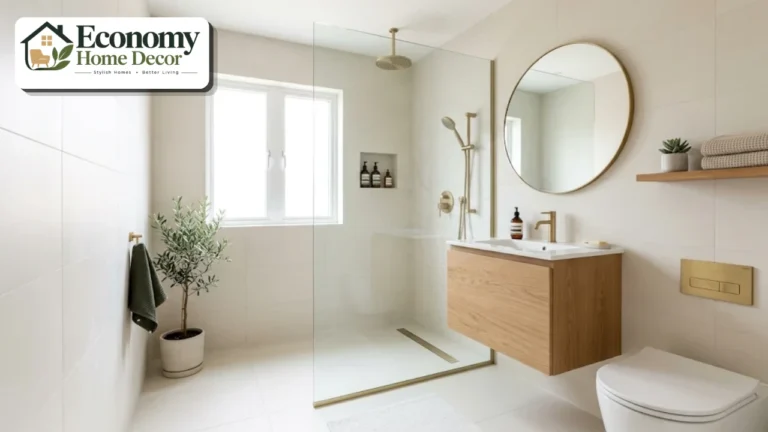
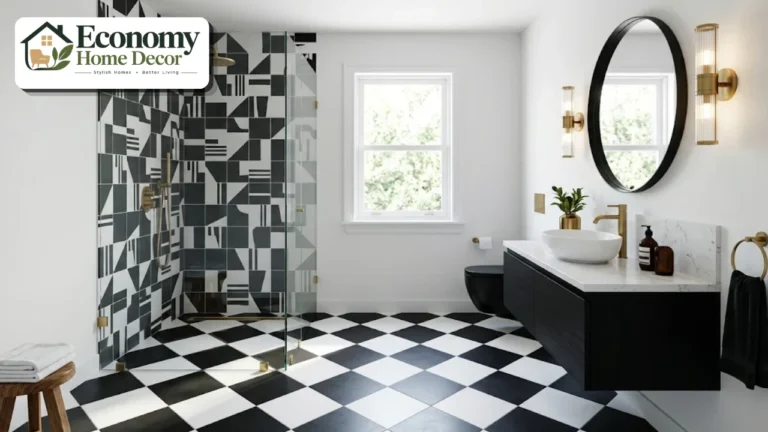
Most people plan a bathroom from the eye line up. The vanity, the mirror, the shower glass. The floor gets chosen last, often in a rush, from whatever sample looks nice in the showroom.
That’s a mistake, because bathroom design floor choices shape almost everything else. The floor sets the color story, decides how big the room feels, and determines whether the space is safe, warm,m and easy to clean for the next twenty years.
It’s also the surface that takes the most abuse. Splashes, steam, wet feet, dropped bottles,es and daily cleaning all land here.
This guide walks you through the materials, patterns, colors,ors and practical details that make a bathroom floor look good and work hard, whether you’re planning a full remodel or a simple refresh.
Why the Floor Matters More Than You Think
The floor is the largest continuous surface in most bathrooms. Change it and the entire room changes with it.
A pale, large-format tile can make a small room feel bigger. A bold patterned floor can give a plain white bathroom instant personality. A warm wood-look plank can soften a cold, modern space.
The floor also carries the room’s biggest risks. A slippery surface causes falls, and a poorly sealed floor lets water reach the subfloor, where it can cause rot and mold out of sight.
Good bathroom floor design balances those two jobs: looking beautiful while quietly protecting the house underneath.
What to Look For in a Bathroom Floor
Before you fall for a color or pattern, check that a material can handle bathroom life. These are the six questions worth asking.
Is it waterproof or just water-resistant?
Waterproof materials, such as porcelain tile and many vinyl products, won’t be damaged by standing water. Water-resistant materials can cope with splashes but may swell or stain if water sits on them.
Is it slip-resistant when wet?
This is the most important safety question. In the US, the ANSI A326.3 standard sets a wet dynamic coefficient of friction (DCOF) of 0.42 or higher for level interior floors expected to be walked on when wet.
Ask your supplier for the DCOF rating, and choose matte, textured, or honed finishes over high-gloss ones.
How durable is it?
Bathrooms see heavy daily use. Look for materials that resist scratches, chips,s and stains, especially in family bathrooms.
Is it comfortable underfoot?
Tile and stone feel cold, while vinyl and cork feel softer and warmer. Heated floors can solve the cold-tile problem completely.
How easy is it to clean?
Fewer grout lines mean less scrubbing. Smooth, sealed surfaces wipe clean quickly, while porous stone needs regular sealing.
What does it cost to install?
Some materials are cheap to buy but expensive to install well. Factor in subfloor preparation, waterproofing,ng and labor, not just the price per square foot.

The Best Bathroom Flooring Materials
Each material has strengths and trade-offs. Here’s an honest look at the most popular options.
Porcelain tile
Porcelain is the go-to choice for most bathrooms, and for good reason. It’s dense, waterproof, highly durable,ble and available in almost any look, from marble and stone to wood and concrete.
The National Kitchen & Bath Association’s 2026 Bath Trends Report found that large-format tile is expected to remain the top flooring selection, with homeowners wanting fewer grout lines and durable, low-maintenance surfaces.
Pros: waterproof, tough, low maintenance, huge range of styles.
Cons: cold underfoot, hard on dropped items, heavy to install.
Ceramic tile
Ceramic tile is lighter and usually cheaper than porcelain. It works well on bathroom floors, though it’s slightly more porous and less chip-resistant.
Pros: affordable, easy to cut, many colors and patterns.
Cons: less durable than porcelain; chips show the clay body underneath.
Natural stone
Marble, limestone, slate, and travertine bring unmatched beauty. No two pieces are the same, and stone adds a sense of quiet luxury.
Stone is porous, so it needs sealing, typically once a year in a bathroom. Polished marble can be slippery when wet, so choose honed or tumbled finishes for floors.
Pros: timeless, unique, adds value.
Cons: expensive, needs sealing, can stain or etch with acidic products.
Luxury vinyl plank and tile
Luxury vinyl flooring has become a popular budget-friendly option. Many products are fully waterproof, warmer underfoot than tile, and easy to install over existing floors.
Look for a thick wear layer and a rigid core for better durability. Seal the edges well around tubs and toilets.
Pros: waterproof, warm, soft underfoot, affordable, DIY-friendly.
Cons: can dent, can look less premium, harder to repair individual planks.
Sheet vinyl
Sheet vinyl comes in large rolls, so a small bathroom can often be covered with no seams at all. That makes it extremely watertight.
Pros: very affordable, seamless, soft underfoot.
Cons: less durable and less stylish than other options.
Microcement and polished concrete
Microcement creates a seamless, modern floor with no grout lines at all. It can run straight into the shower for a continuous look.
It must be installed by a skilled professional and properly sealed. A matte, slip-resistant topcoat is essential in wet areas.
Pros: seamless, modern, easy to clean.
Cons: needs expert installation and resealing; can crack if the subfloor moves.
Terrazzo
Terrazzo is made from chips of marble, glass, or stone set in a binder. It’s colorful, durable, and is having a strong comeback, especially in mid-century and playful bathrooms.
Terrazzo-look porcelain gives a similar effect at a lower cost.
Pros: durable, distinctive, timeless.
Cons: real terrazzo is expensive; it can be cold and slippery if polished.
Engineered wood, laminate, and cork
These materials bring warmth but need caution. Engineered wood and laminate can swell if water gets into the joints, and even water-resistant versions are better suited to powder rooms than full bathrooms.
Cork is warm and soft but must be well sealed. If you love the look of wood, wood-look porcelain or vinyl is usually a safer bet.
Bathroom Design Floor Materials Compared
Here’s a quick side-by-side view of the main options.
| Material | Water performance | Slip resistance | Warmth | Upkeep | Relative cost |
|---|---|---|---|---|---|
| Porcelain tile | Waterproof | Good with matte or textured finish | Cold | Low | Medium |
| Ceramic tile | Waterproof surface | Good with matte finish | Cold | Low | Low to medium |
| Natural stone | Porous, needs sealing | Good if honed or tumbled | Cold | High | High |
| Luxury vinyl | Often waterproof | Good | Warm | Low | Low to medium |
| Sheet vinyl | Waterproof, seamless | Good | Warm | Low | Low |
| Microcement | Waterproof when sealed | Depends on topcoat | Cold | Medium | Medium to high |
| Terrazzo | Waterproof when sealed | Fair; avoid high polish | Cold | Medium | High |
| Engineered wood | Water-resistant at best | Fair | Warm | High | Medium to high |
Always check the specific product’s DCOF rating and warranty. Two tiles of the same type can perform very differently.

Bathroom Design Floor Patterns to Consider
The way you lay tile can change a floor as much as the tile itself. These are the most popular patterns, and what each does to a room.
Straight lay
Tiles line up in a simple grid. It’s calm, modern,n and works with almost any tile size. Large-format tiles in a straight lay make small bathrooms feel bigger.
Offset or brick bond
Each row shifts by a third or half a tile. It adds a little movement and suits rectangular and plank-style tiles. A one-third offset reduces visible lippage on long tiles.
Herringbone
Rectangular tiles form a zigzag of interlocking Vs. Herringbone adds instant elegance and works beautifully with wood-look tile, marble,le or small subway tile.
Chevron
Similar to herringbone, but the tile ends are cut at an angle to form a continuous V. It feels sharper and more formal.
Checkerboard
Alternating two colors in a grid is a classic look that’s back in fashion. Black and white feels graphic, while softer pairings like cream and terracotta or sage and white feel fresh and modern.
Hexagon, penny and mosaic
Small shapes create texture and charm. They also add many grout lines, which improve grip but need more cleaning. They’re especially useful on shower floors.
Encaustic and patterned tile
Patterned cement or porcelain tiles make the floor the star of the room. Use them with plain walls and a simple vanity so the pattern doesn’t compete.
Basketweave
Pairs of rectangles alternate direction to look like woven fabric. It’s a traditional pattern that suits vintage, cottage, and transitional bathrooms.
Choosing the Right Floor Color
Color affects how big, bright,ight and clean a bathroom feels. A few guidelines make the choice easier.
Light floors make small rooms feel larger, but show hair and dust more easily.
Mid-tone floors in greige, warm gray, or soft stone hide everyday mess best.
Dark floors feel dramatic and luxurious, but show water spots and soap residue.
Warm tones like sand, terracotta,acotta and wood-look finishes are popular as all-white bathrooms fade.
In Fixr’s 2026 trend survey, 75% of designers named all-white and all-gray bathrooms as on their way out. A warm, earthy floor is one of the easiest ways to move away from that look.
Tile Size and Grout: The Details That Matter
Tile size changes both the look and the maintenance of a floor.
Large-format tiles, often 24 inches or larger, give a calm, seamless look and mean fewer grout lines to clean. They need a very flat subfloor, so preparation is critical.
Smaller tiles add texture and grip, which is why they’re common on shower floors. They also make it easier to slope a floor toward the drain.
Grout color matters too. Matching grout creates a smooth, seamless look. Contrasting grout highlights the pattern but shows dirt faster. For floors, a mid-tone, stain-resistant or epoxy grout is the most practical choice.

Shower Floor Design
The shower floor faces the toughest conditions in the room, so it needs special care.
Slope and drainage
Shower floors must slope toward the drain so water doesn’t pool. A common standard is about a quarter inch of slope per foot, though local plumbing codes decide the exact requirement.
Linear drains
A linear drain runs along one edge of the shower. It lets you slope the floor in a single direction, which means you can use larger tiles and get a cleaner look.
Curbless showers
A curbless shower lets the bathroom floor flow straight into the shower without a step. It looks sleek, makes the room feel larger, and is easier for people of all ages to use.
Nearly half of NKBA respondents expect curbless entries and other universal design features to become common in primary bathrooms. A continuous bathroom design floor that runs from the doorway into the shower is one of the most striking ways to achieve that look.
Grip
Small mosaics, textured porcelain, or pebble tiles give extra grip underfoot. Avoid polished stone and glossy tile inside the shower.
Heated Bathroom Floors
Cold tile on a winter morning is one of the least pleasant parts of any bathroom. Heated bathroom floors fix that completely.
They’re also increasingly popular. In the Fixr 2026 survey, 54% of designers named heated floors as a rising bathroom trend.
Electric radiant mats or cables are the most common option in a remodel. They sit beneath tile or stone and are controlled by a thermostat, ideally a programmable one so the floor warms before you wake up.
Heated floors also help the room dry faster after showers, which reduces dampness. Plan them before the tile goes down, because they can’t be added later without lifting the floor.
Floor Ideas for Small Bathrooms
In a compact room, the floor has a big influence on how spacious it feels. These small bathroom floor ideas make the most of limited space.
Use large-format tiles. Fewer grout lines reduce visual clutter.
Lay tiles diagonally. A diagonal layout draws the eye across the room and can make it feel wider.
Run the same floor into the shower. A continuous floor makes the room read as one larger space.
Choose light or mid-tone colors. They reflect more light than very dark floors.
Keep the pattern simple. One bold pattern is fine, but avoid mixing several.
Pick a wall-hung vanity. More visible floor makes the room feel bigger.
A smart bathroom design floor plan in a small room is mostly about continuity. The less the floor is interrupted, the larger the room feels.
Bathroom Design Floor Ideas by Style
The right floor often depends on the look you want for the whole room.
| Bathroom style | Floor ideas |
|---|---|
| Modern | Large-format porcelain, microcement, matte concrete-look tile |
| Warm modern or Japandi | Wood-look porcelain, warm stone-look tile in sand or beige |
| Traditional | Marble or marble-look tile, basketweave, small hexagons |
| Farmhouse | Wood-look plank tile, brick-look tile, patterned cement tile |
| Mid-century | Terrazzo, penny tile, bold two-color patterns |
| Spa | Honed limestone-look tile, pebble shower floor, heated floors |
| Vintage or eclectic | Checkerboard, encaustic tile, mosaic borders |
Choose the floor first and let the wall tile, vanity, and paint follow. It’s much easier to match a wall to a floor than the other way around.
How to Plan Your Bathroom Design Floor Step by Step
A clear order of decisions keeps the project on budget and avoids costly do-overs.
Decide how the room is used. A family bathroom, a guest bath, and a powder room all have different needs.
Set your must-haves. Heated floors, a curbless shower,r or a specific look all affect material choice.
Choose the material. Match it to water exposure, slip resistance, comfort, and budget.
Pick the tile size and pattern. Large tiles for calm, small tiles or patterns for texture and grip.
Select color and grout. Think about light, room size, and how easy it will be to keep clean.
Plan the shower floor. Decide on drain type, slope,e and whether the floor will run continuously into the shower.
Prepare and waterproof. Budget for subfloor work and a proper membrane before anything else.
Following this order means every bathroom design floor decision supports the next one, rather than forcing compromises later.
Getting a Beautiful Floor on a Budget
You don’t need natural stone to get a beautiful floor. Many of today’s best bathroom tile ideas cost far less than they look.
| Look you want | Budget route | Premium route |
|---|---|---|
| Marble | Marble-look porcelain | Real honed marble |
| Wood | Wood-look vinyl or porcelain plank | Engineered wood in a powder room |
| Terrazzo | Terrazzo-look porcelain | Poured or precast terrazzo |
| Concrete | Concrete-look porcelain | Microcement |
| Patterned | Patterned porcelain | Handmade encaustic cement tile |
If you’re on a tight budget, put your money into the floor preparation and waterproofing first. A mid-range tile laid on a solid, waterproofed base will outlast an expensive tile laid badly.
For a quick refresh without removing the old floor, consider luxury vinyl tile installed over existing tile, if the manufacturer allows it and the surface is flat and sound.
Installation Tips That Protect Your Floor
Even the best material will fail if it’s installed poorly. Keep these points in mind, or check them with your installer.
Check the subfloor. It must be solid, flat, and free of movement. Large-format tiles are especially sensitive to unevenness.
Waterproof properly. A waterproofing membrane under tile protects the subfloor, especially around the shower and tub.
Allow for movement. Leave expansion gaps at the walls and around fixed objects, hidden by baseboards or caulk.
Use the right adhesive and grout. Follow the tile maker’s recommendations for bathrooms.
Seal where needed. Natural stone, cement tile, and some grouts need sealing after installation.
Caulk the edges. Use flexible silicone where the floor meets the tub, shower base, and walls.
Common Bathroom Floor Mistakes
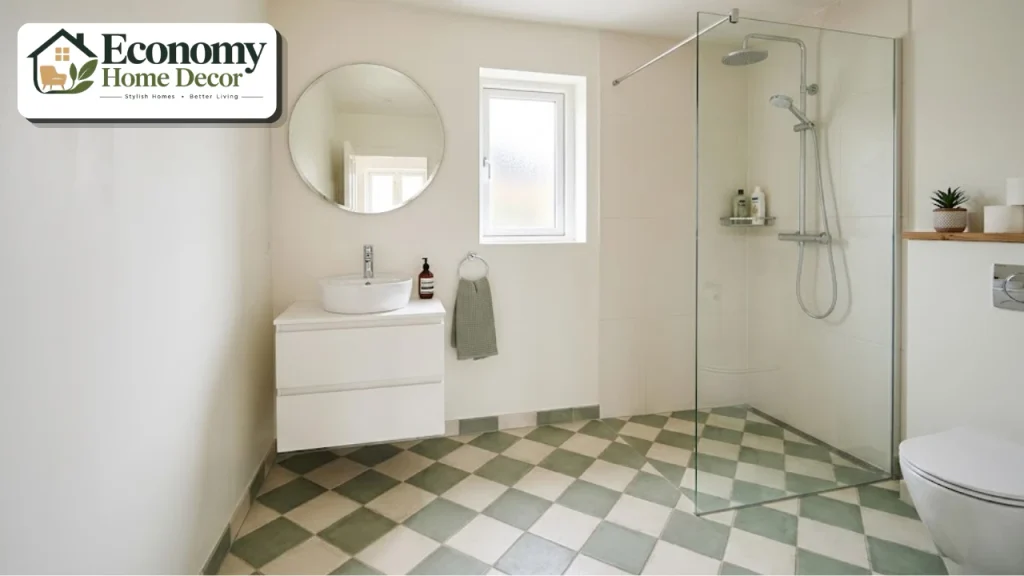
These are the errors that cause the most regret after a remodel.
Choosing a glossy, slippery tile. It looks beautiful in the showroom and becomes dangerous when wet.
Using wood or laminate in a full bathroom. Water eventually finds the joints.
Skipping waterproofing. Leaks under the floor are expensive and often hidden for years.
Picking white grout for floors. It stains quickly and is hard to keep clean.
Ignoring subfloor flatness. Uneven floors cause cracked tiles and lippage.
Forgetting heated floors until too late. They must go in before the tile.
Mixing too many patterns. A busy floor plus busy walls overwhelms most rooms.
FAQs:
What is the best flooring for a bathroom?
Porcelain tile is the best all-round choice for most bathrooms. It’s waterproof, durable, low maintenance, and available in many styles, including wood, stone,e and concrete looks.
Which bathroom floor is the least slippery?
Textured, matte, or honed finishes are least slippery, along with small mosaics that add grout lines for grip. Look for a wet DCOF rating of 0.42 or higher under the ANSI A326.3 standard.
Is vinyl flooring good for bathrooms?
Yes. Many luxury vinyl products are fully waterproof, warmer underfoot than tile, and budget-friendly. Choose a thick wear layer and seal the edges well.
Can I use wood flooring in a bathroom?
Solid wood is a poor choice for full bathrooms because it swells with moisture. Engineered wood can work in a powder room. Wood-look porcelain or vinyl gives the look with far less risk.
What size tile is best for a bathroom floor?
Large-format tiles suit most bathroom floors because they mean fewer grout lines and a calmer look. Smaller tiles are better for shower floors, where slope and grip matter most.
What color floor makes a small bathroom look bigger?
Light and mid-tone floors reflect more light and make a room feel larger. Using the same floor tile in the shower also helps the room read as one continuous space.
Are heated bathroom floors worth it?
For many homeowners, yes. They add daily comfort, help the room dry faster, and are increasingly popular, with 54% of designers in the Fixr 2026 survey naming them a rising trend.
What is the best grout color for a bathroom floor?
Mid-tone grays and warm beiges hide dirt best. Stain-resistant or epoxy grout is easier to maintain than standard cement grout.
How do I choose a bathroom design floor that won’t date?
Pick a durable, neutral material such as stone-look or wood-look porcelain in a warm tone, and lay it in a simple pattern. Add personality through paint, towels,s and accessories that are easy to change.