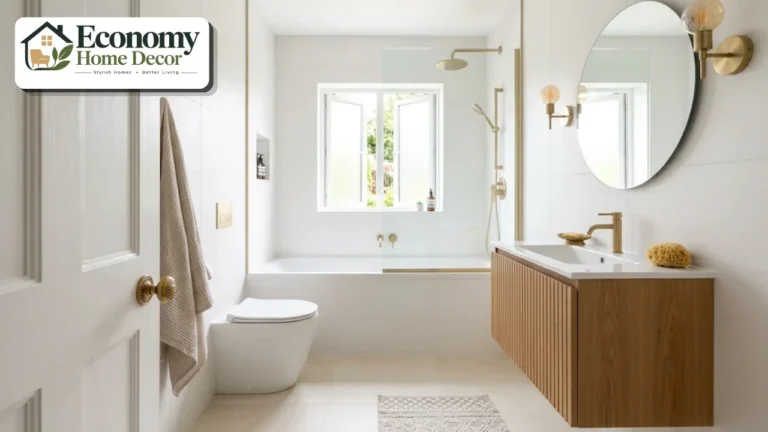
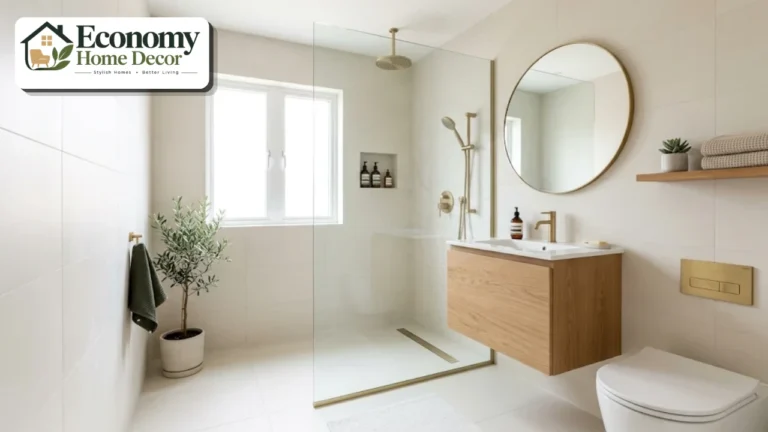
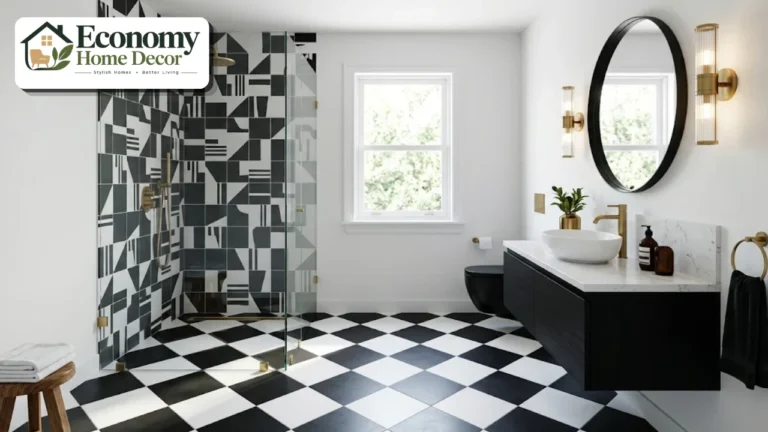
“Modern” is one of the most used words in bathroom design and one of the most confusing. Ask five people to describe a modern bathroom, and you’ll get five different pictures.
That’s because modern bathroom styles have split into several distinct looks. Some are cool and minimal, others warm and natural, and a few borrow from industrial lofts or 1950s homes.
Knowing the difference saves money and frustration. It helps you brief a designer, shop with confidence,e and avoid mixing pieces that fight each other once they’re installed.
This guide walks through the most popular modern looks, what defines each one, which homes they suit, and how to make them work in a real, everyday bathroom.
What Makes a Bathroom Style “Modern”?
A modern bathroom style is a design approach built on clean lines, simple forms, uncluttered surfaces,ces and a focus on function. Decoration comes from materials, light, and proportion rather than ornament.
People often use “modern” and “contemporary” as if they mean the same thing. Strictly speaking, modern design refers to the mid-20th-century movement, while contemporary means whatever is current right now.
In everyday bathroom design, the terms overlap. Today’s modern bathroom styles take the simplicity of classic modernism and add current ideas like warm wood, natural tones, and wellness features.
Another useful way to think about it: modern design asks what each object in the room actually does. If something has no purpose, it usually goes. That discipline is what gives these bathrooms their calm, uncluttered character.
What Every Modern Bathroom Has in Common
Whichever variation you choose, most modern bathrooms share a handful of features:
Clean, straight lines on vanities, mirrors, shower screens, and tile layouts.
A floating vanity or simple furniture-style cabinet with flat or slab doors.
Large-format tile with fewer grout lines for a calm, seamless look.
Frameless or slim-framed glass around a walk-in or curbless shower.
Concealed storage so counters stay clear.
Layered lighting, often with LED strips, sconces, and a dimmer.
A restrained palette of two or three main colors and materials.
These are the building blocks. The style you choose decides how warm or cool, soft or hard, the final room feels.
12 Modern Bathroom Styles to Know
Each of these looks starts from the same modern foundation, then pushes it in a different direction.
Minimalist Modern
The minimalist bathroom is modern design at its purest. Think white or pale gray walls, a slab vanity, frameless shower,wer and almost nothing on display.
Colors: white, soft gray, black accents.
Materials: porcelain, glass, matte lacquer, chrome or matte metal.
Best for: people who love order and dislike clutter.
The risk is a room that feels cold. Fixr’s 2026 trend survey found 75% of designers naming all-white and all-gray bathrooms as fading, so add a touch of wood or textured tile to keep it current.
Warm Modern
Warm modern is the most popular update to minimalism. It keeps the clean lines but swaps gray and chrome for warm white, oak, or walnut and brushed brass.
Colors: warm white, sand, greige, soft sage.
Materials: wood veneer vanities, stone-look tile, brushed brass or bronze.
Best for: almost any home, especially families who want calm without coldness.
The National Kitchen & Bath Association’s 2026 Bath Trends Report found wood-faced vanities gaining ground over painted ones, which fits this style perfectly.
Japandi
A Japandi bathroom blends Japanese restraint with Scandinavian comfort. Quiet, natural, and deeply calming.
Colors: soft beige, warm gray, muted green, charcoal accents.
Materials: pale or dark wood, stone, washi-style glass, linen.
Signature pieces: a low wooden stool, a deep soaking tub, simple ceramic accessories.
Japandi works especially well in small bathrooms because it values empty space as much as objects.
Scandinavian
The Scandinavian bathroom is bright, practical and cozy. It aims to make the most of natural light, which is precious in Nordic winters.
Colors: white, pale gray, light wood, soft pastels.
Materials: light oak or ash, white tile, matte black or brushed fittings.
Best for: smaller rooms and homes with limited daylight.
Add texture with a woven basket, a linen towel and a plant to stop it feeling sterile.
Spa Contemporary
This style turns the bathroom into a retreat. It focuses on comfort, calm and features you’d expect in a good hotel spa.
Colors: stone, sand, warm white, muted green.
Materials: natural stone, wood, large slab tile, linen.
Key features: a walk-in shower, a freestanding tub, heated floors, soft lighting.
NKBA respondents reported that spa features such as steam, aromatherapy, and built-in seating are driving many layout changes. Heated floors were also named a rising trend by 54% of designers in the Fixr survey.
Industrial Modern
An industrial bathroom borrows from converted warehouses and lofts. It mixes raw, tough materials with modern fixtures.
Colors: charcoal, black, rust, concrete gray.
Materials: concrete or microcement, exposed brick, black metal, reclaimed wood.
Signature pieces: exposed pipework, Edison-style bulbs, metal-framed shower screens.
Balance the hard surfaces with warm wood and soft towels, or the room can feel harsh.
Mid-Century Modern
The mid-century modern bathroom draws on design from roughly the 1940s to 1960s. It’s playful but disciplined, with warm wood and a confident use of color.
Colors: teal, mustard, olive, orange accents, warm white.
Materials: walnut or teak cabinetry, terrazzo, small mosaic or penny tile.
Signature pieces: a long, low vanity with slim legs, globe lights, a round mirror.
It’s a great fit for homes built in that era, but it also adds character to plain newer houses.
Modern Farmhouse
The modern farmhouse bathroom mixes rustic warmth with clean, modern lines. It’s relaxed, family-friendly, and easy to live with.
Colors: white, cream, soft black, natural wood.
Materials: shiplap or paneling, wood vanities, subway or zellige tile, matte black or bronze fixtures.
Signature pieces: a freestanding tub, barn-style doors, a vintage-style mirror.
To keep it fresh, avoid overloading the room with signs and faux-rustic décor. A few honest materials go further.
Modern Coastal
Modern coastal is light, airy and relaxed without leaning on anchors and seashells. It’s inspired by natural beach materials rather than themed décor.
Colors: white, sand, soft blue, sea-glass green.
Materials: whitewashed wood, rattan, light stone, textured tile.
Best for: bright rooms and homes in warm climates.
Keep accessories simple. A woven basket, a linen towel and a single piece of art are enough.
Modern Luxe

Modern luxe is polished and glamorous, with bold stone and statement fittings. It feels like a high-end hotel suite.
Colors: white or black marble, deep green, navy, gold accents.
Materials: large marble or quartz slabs, brass, fluted glass, velvet or leather details.
Signature pieces: a sculptural tub, a statement chandelier or sconces, a book-matched stone wall.
Restraint is still key. Choose one dramatic material and let it lead.
Modern Transitional
Transitional style sits between traditional and modern. It uses classic shapes with simpler detailing, so it rarely looks dated.
Colors: warm white, soft gray, taupe, navy or olive accents.
Materials: Shaker-style cabinets, marble or marble-look counters, polished nickel or brushed brass.
Best for: homeowners who want a room that will still feel right in ten years.
NKBA’s 2026 report found transitional, timeless design was the top style choice for the next three years, followed by organic and natural looks.
Dark and Moody Modern
This is modern design with drama. Deep colors wrap the room, creating a cozy, cocooning feel.
Colors: charcoal, tobacco brown, forest green, oxblood.
Materials: matte tile, dark stone, wood, brushed brass.
Best for: powder rooms and en-suites with good artificial lighting.
Warm, layered lighting is essential. Without it, dark rooms can feel gloomy rather than luxurious.
Modern Bathroom Styles Compared
Here’s a quick side-by-side look at how the main styles differ.
| Style | Feel | Key materials | Best room | Upkeep |
|---|---|---|---|---|
| Minimalist | Calm, crisp | Porcelain, glass, lacquer | Any size | Easy, but shows water spots |
| Warm modern | Calm, inviting | Oak, stone-look tile, brass | Family bathrooms | Easy |
| Japandi | Serene, natural | Wood, stone, linen | Small bathrooms | Moderate |
| Scandinavian | Bright, cozy | Light wood, white tile | Small, dark rooms | Easy |
| Spa contemporary | Restful | Stone, wood, slab tile | Primary bathrooms | Moderate |
| Industrial | Raw, bold | Concrete, metal, brick | Lofts, basements | Moderate (seal concrete) |
| Mid-century | Playful, warm | Walnut, terrazzo, mosaic | Guest bathrooms | Moderate |
| Modern farmhouse | Relaxed | Wood, shiplap, subway tile | Family bathrooms | Easy |
| Modern coastal | Airy | Whitewashed wood, rattan | Bright rooms | Easy |
| Modern luxe | Glamorous | Marble, brass, fluted glass | Primary bathrooms | Higher (seal stone) |
| Transitional | Timeless | Shaker cabinets, marble-look | Any home | Easy |
| Dark modern | Cozy, dramatic | Matte tile, dark stone | Powder rooms | Moderate |
Fixtures and Finishes That Define Modern Bathroom Styles

The fixtures you choose often decide whether a room reads as modern. Even in a traditional layout, the right faucet and lighting can shift the whole mood.
Faucets and shower fittings
Look for simple, geometric shapes with slim handles. Wall-mounted taps free up counter space and are easier to clean around, while concealed shower valves keep walls sleek.
NKBA’s 2026 report found polished finishes losing ground to matte, brushed, and satin options. Brushed brass, brushed nickel, matte black,k and gunmetal all suit modern bathroom styles, depending on how warm or cool you want the room to feel.
Tile
Large-format porcelain remains the top choice for floors and showers, because fewer grout lines are easier to keep clean. For personality, add a stacked vertical tile, a fluted panel,el or a small area of handmade zellige.
Glass
Frameless glass suits minimal and spa looks. Slim black frames lean industrial or Scandinavian, while reeded or fluted glass adds privacy and a softer, more luxe feel.
Lighting fixtures
Linear LED mirror lights and slim wall sconces suit most modern looks. Globe lights point to mid-century, while caged or exposed bulbs signal industrial.
How to Choose the Right Modern Style
With so many options, it helps to narrow things down with a few honest questions.
Look at the rest of your home
Your bathroom doesn’t need to match every room, but it should feel related. A mid-century home suits walnut and terrazzo; a cottage suits modern farmhouse or transitional better than industrial concrete.
Think about who uses the room
A family bathroom needs tough, easy-clean surfaces and plenty of storage. A powder room can be more dramatic because it’s used briefly and stays dry.
Consider your light
Rooms with little daylight suit light, bright styles like Scandinavian or coastal. Bright, sunny rooms can handle darker, moodier looks.
Be realistic about maintenance
High-gloss surfaces, dark tile, and natural stone all need more care. If you want low effort, choose matte finishes, porcelain and stain-resistant grout.
Picture it in ten years
Of all the modern bathroom styles, the ones that age best are usually the calmest: warm modern, transitional and Japandi. Keep bolder choices for paint, towels, and accessories you can change.
Mixing Two Modern Styles Without Chaos
Many of the best bathrooms combine two styles. Warm modern with a touch of Japandi, or Scandinavian with a little mid-century color, are popular pairings.
The trick is to choose one main style and one accent style. Let the main style decide the layout, vanity, and tile. Use the accent style for a mirror, light fixture,e or color.
Keep metals to one or two finishes and repeat each at least twice. That repetition makes a mix look deliberate rather than accidental.
Modern Bathroom Styles for Small Bathrooms
Small rooms reward the simplicity of modern design. A few smart choices make a compact space feel bigger and calmer.
Choose a floating vanity so more floor is visible.
Use large-format tile on floors and walls to reduce visual clutter.
Swap a curtain for a glass panel to keep sightlines open.
Run the same floor tile into the shower for a continuous look.
Add one large mirror to bounce light around.
Stick to two or three colors and repeat them.
Scandinavian, Japandi, a nd minimalist styles are natural fits for a small bathroom. Even darker modern looks can work if you use warm lighting and keep surfaces clear.

Three Real-World Makeovers
Seeing how a style fits an actual room makes the choice easier. Here are three common starting points.
A dated 1990s family bathroom
Picture beige tile, a builder-grade oak vanity, and a shower-tub combo. Warm modern is a natural fit here.
Replace the vanity with a floating oak or walnut one, swap the beige tile for large warm-white porcelain and add brushed brass fixtures. The room keeps its practicality but loses the dated feel.
A tiny city apartment bathroom
Space is the biggest challenge, often with no window at all. Japandi or Scandinavian styles suit this best.
Use pale wood, white or soft beige tile, a wall-hung vanity and a fixed glass shower panel. Add warm LED lighting and a single plant that tolerates low light.
A busy family bathroom
Durability matters most when children share the room. A modern farmhouse or transitional look balances warmth with tough, easy-clean surfaces.
Choose a sturdy wood vanity with deep drawers, subway or zellige tile, a tub for bath time, and plenty of hooks. Of all the modern bathroom styles, these two are the most forgiving of daily wear.
Getting the Look on a Budget
You don’t need a full remodel to bring a bathroom into the modern era. Many updates can happen in stages.
| Change | Budget version | Full remodel version |
|---|---|---|
| Vanity | Paint the cabinet and change the hardware | New floating vanity in wood or slab finish |
| Shower | Replace the curtain with a fixed glass panel | Curbless walk-in shower |
| Lighting | Warm LED bulbs and a new mirror light | Sconces, LED strips and a dimmer |
| Walls | Fresh paint in a warm neutral | Large-format tile or microcement |
| Fixtures | New faucet and shower head | New concealed valves and wall-mounted taps |
| Storage | Baskets and drawer organizers | Recessed cabinets and built-in niches |
Spend first on the things hardest to change later, such as waterproofing, ventilation and plumbing. Save on paint, towels, mirrors, and accessories you can swap anytime.
Practical Details That Make Modern Bathrooms Work
A modern bathroom looks simple, but that simplicity depends on careful planning. These details make the difference between a showroom look and a room that works every day.
Ventilation
Clean, flat surfaces show condensation and water spots quickly. A properly sized exhaust fan keeps things dry; a common rule of thumb is about 1 CFM per square foot for bathrooms under 100 square feet.
Clearances
NKBA recommends about 30 inches of clear space in front of fixtures for comfort. Modern rooms feel calm partly because they aren’t crowded, so plan the layout before you choose finishes.
Lighting
Use side lighting at the mirror rather than a single ceiling fixture. Warm bulbs around 2700 to 3000K keep even the coolest style feeling inviting.
Storage
Clear counters are essential to every modern look. Recessed niches, deep vanity drawers and a medicine cabinet keep everyday items out of sight.
Accessibility
Curbless showers, wall-hung toilets and lever handles all suit modern design and make the bathroom easier to use as you age. Nearly half of NKBA respondents expect features like curbless entries and benches to become common in primary bathrooms.
Common Mistakes With Modern Bathroom Styles
Even simple styles can go wrong. These are the slip-ups designers see most often.
Making it too cold. All-white or all-gray with chrome can feel clinical. Add wood or texture.
Mixing too many styles. Industrial pipes, farmhouse shiplap, and luxe marble in one room will compete.
Choosing form over function. Vessel sinks splash, and open shelves collect clutter.
Skipping storage. Without hidden storage, the clean look disappears within a week.
Ignoring maintenance. Glossy black tile and natural stone need extra care.
Poor lighting. One overhead light flattens texture and makes faces look tired.

FAQs:
What are the most popular modern bathroom styles?
Warm modern, minimalist, Japandi, Scandinavian, spa contemporary, porary, and transitional are among the most popular. Industrial, mid-century, and modern farmhouse remain strong choices for homes with matching character.
What is the difference between modern and contemporary bathrooms?
Modern refers to mid-20th-century design built on clean lines and simple forms. Contemporary means whatever is current. Today, most bathrooms described as modern blend both.
Which modern style is best for a small bathroom?
Scandinavian, Japandi, and minimalist styles work best because they value light, space and simplicity. A floating vanity and large tiles help the room feel bigger.
Is a modern bathroom cold?
It doesn’t have to be. Warm wood, brushed brass, stone-look tile, and warm lighting make a modern bathroom feel inviting rather than clinical.
What colors work best in a modern bathroom?
Warm whites, beige, greige and soft sage are reliable choices. Charcoal, deep green or navy work well as accents or in moody powder rooms.
What is a Japandi bathroom?
A Japandi bathroom blends Japanese and Scandinavian design. It uses natural wood, stone, soft neutral colors, and very little clutter for a calm, balanced space.
Which modern bathroom style lasts the longest?
Transitional and warm modern styles tend to age best. NKBA’s 2026 report found transitional, timeless design was the top style choice for the next three years.
Are modern bathroom styles good for resale?
Generally, yes. Clean, calm modern bathrooms appeal to a wide range of buyers. Warm modern and transitional looks are the safest choices if you plan to sell within a few years.
What flooring works best in a modern bathroom?
Large-format porcelain tile is the most popular choice because it’s durable, water-resistant,ater-resistant and has fewer grout lines. Microcement and stone-look porcelain also suit modern rooms. Choose a matte or textured finish for better grip.
Do modern bathrooms need a bathtub?
Not necessarily. NKBA found more than half of homeowners prefer larger showers over bathtubs. Keep a tub if you have young children or if buyers in your area expect one.